
How to Save Money While Traveling: 15 Smart Tips for a Budget-Friendly Trip

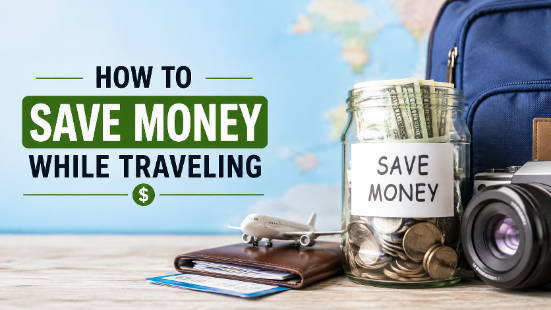
News desk | News one click. Traveling does not always have to be expensive. With a little planning and a few smart decisions, you can enjoy a memorable trip without putting too much pressure on your wallet.
From choosing the right travel dates to finding affordable – accommodation and avoiding unnecessary expenses, small savings can make a big difference to your overall travel budget.
Here are 15 practical ways to save money while traveling without compromising too much on comfort or experience.
1. Plan Your Trip in Advance
One of the easiest ways to save money is to plan your trip early. Booking flights, trains, hotels and popular attractions in advance can often give you more options and better prices.
Last-minute bookings may leave you with fewer choices, especially during holidays and peak travel seasons.
2. Travel During the Off-Season
Peak-season travel can be significantly more expensive. Hotels, flights and tourist attractions often increase their prices when demand is high.
Consider traveling during the shoulder or off-season. You may find cheaper accommodation, less crowded attractions and a more relaxed experience.
3. Compare Flight and Hotel Prices
Don’t book the first option you find. Compare prices across different travel platforms and check the official website of the airline or hotel as well.
Look at the total cost, including taxes, baggage fees and other charges, rather than comparing only the advertised price.
4. Be Flexible With Your Travel Dates
Changing your travel date by just one or two days can sometimes reduce the cost of transportation and accommodation.
If possible, compare weekday and weekend prices before making a booking.
5. Choose Budget-Friendly Accommodation
Hotels are not your only option. Depending on your destination, you can consider hostels, guesthouses, vacation rentals or budget hotels.
If you are traveling with family or a group, accommodation with a kitchen can also help reduce food expenses.
6. Use Public Transportation
Taxis and ride-hailing services can quickly increase your travel expenses.
Wherever it is safe and practical, use buses, trains, metro systems or other public transportation. Walking is another excellent option for exploring areas that are close to each other.
7. Eat Like a Local
Eating at tourist-oriented restaurants can be expensive. Local restaurants, markets and small food establishments may offer authentic meals at much lower prices.
You can also save money by having a simple breakfast and carrying water or snacks when exploring.
8. Avoid Unnecessary Tourist Traps
Popular tourist areas often have restaurants, shops and services that charge premium prices.
Before buying something, compare prices and ask yourself whether you really need it. A little research can help you avoid unnecessary spending.
9. Look for Free Attractions
You don’t need to spend money on every activity.
Many destinations offer free parks, walking tours, museums on certain days, public beaches, historic areas, markets and cultural events.
Research free things to do before you arrive.
10. Set a Daily Travel Budget
A daily budget can help you control your spending.
Divide your expected expenses into categories such as:
Accommodation
Food
Transportation
Activities
Shopping
Emergency expenses
Keep track of your spending throughout the trip so you know how much money you have left.
11. Pack Smart and Avoid Extra Baggage Fees
Airlines may charge additional fees for overweight or extra luggage.
Pack only what you actually need and check your airline’s baggage rules before leaving home. Reusable water bottles, basic medicines, chargers and other essentials can also prevent unnecessary purchases during your trip.
12. Use Travel Rewards and Discounts
If you regularly travel, look for legitimate loyalty programs, credit card travel benefits, hotel rewards and transportation discounts.
However, don’t spend extra money simply to earn rewards. A discount is useful only when it actually reduces your overall cost.
13. Avoid Excessive Shopping
Souvenirs can be a nice reminder of a trip, but shopping can quickly turn a budget trip into an expensive one.
Set a shopping limit before you travel and focus on meaningful items rather than buying something at every destination.
14. Keep an Emergency Fund
Saving money doesn’t mean spending every dollar you have planned for the trip.
Keep some extra money aside for unexpected situations such as transportation changes, medical needs, lost belongings or emergency accommodation.
An emergency fund can prevent a small problem from becoming a major financial burden.
15. Track Your Expenses After Every Day
At the end of each day, spend a few minutes checking what you spent.
This simple habit can help you identify where your money is going. If you have already spent more than planned, you can adjust your expenses during the remaining days of your trip.
Final Thoughts
Saving money while traveling is mostly about making smarter choices rather than avoiding everything that costs money.
Plan ahead, compare prices, travel during less expensive periods, use public transportation, choose affordable accommodation and keep track of your daily expenses.
The goal isn’t to make your trip as cheap as possible. It is to spend your money where it adds the most value to your travel experience.
Frequently Asked Questions
How can I travel on a low budget?
Plan your trip in advance, compare transportation and hotel prices, use public transportation, choose affordable accommodation and look for free activities.
What is the best way to save money on accommodation?
Compare multiple options, consider traveling during the off-season and look beyond traditional hotels for suitable budget-friendly alternatives.
How can I reduce food expenses while traveling?
Eat at local restaurants, avoid expensive tourist areas and consider accommodation where you can prepare some meals yourself.
Should I create a travel budget before my trip?
Yes. A realistic daily budget can help you control expenses and reduce the risk of overspending.